
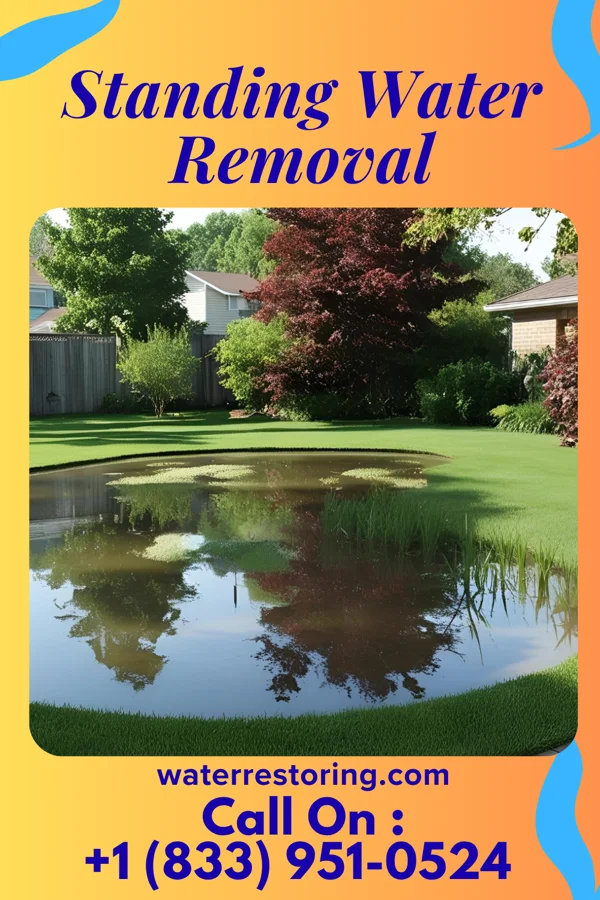
Beluga Standing Water: What Owners Should Know
Residential or commercial, water damage emergencies in Beluga keep coming back to the same drivers. In Beluga, Alaska, the primary water damage cause is often due to flooding from the nearby Cook Inlet, especially during storm surges or high tides. Additionally, seasonal thawing of permafrost can lead to ground instability and water seepage into basements and crawl spaces. sits at the top of the list. A close second is Secondary causes include leaking septic tanks, burst pipes during freezing temperatures, and malfunctioning sump pumps. These issues are common in rural areas where infrastructure is less robust and maintenance is more challenging..
Beluga's coastal location and cold, wet climate increase the risk of water damage from both natural and man-made sources. The region experiences heavy rainfall and snowmelt, which can overwhelm drainage systems and lead to localized flooding.
Water damage in Beluga follows a few local patterns. In Beluga, Alaska, the primary water damage cause is often due to flooding from the nearby Cook Inlet, especially during storm surges or high tides. Additionally, seasonal thawing of permafrost can lead to ground instability and water seepage into basements and crawl spaces. accounts for the bulk of our calls. Beluga's coastal location and cold, wet climate increase the risk of water damage from both natural and man-made sources. The region experiences heavy rainfall and snowmelt, which can overwhelm drainage systems and lead to localized flooding. Mold growth in Beluga can occur rapidly due to the high humidity and cool temperatures, making prompt water damage response critical to prevent health risks and structural damage.
For public guidance on the health effects of mold after prolonged water exposure, see the EPA mold and health page.